Why More Wildland Firefighters Are Choosing Private Contractors
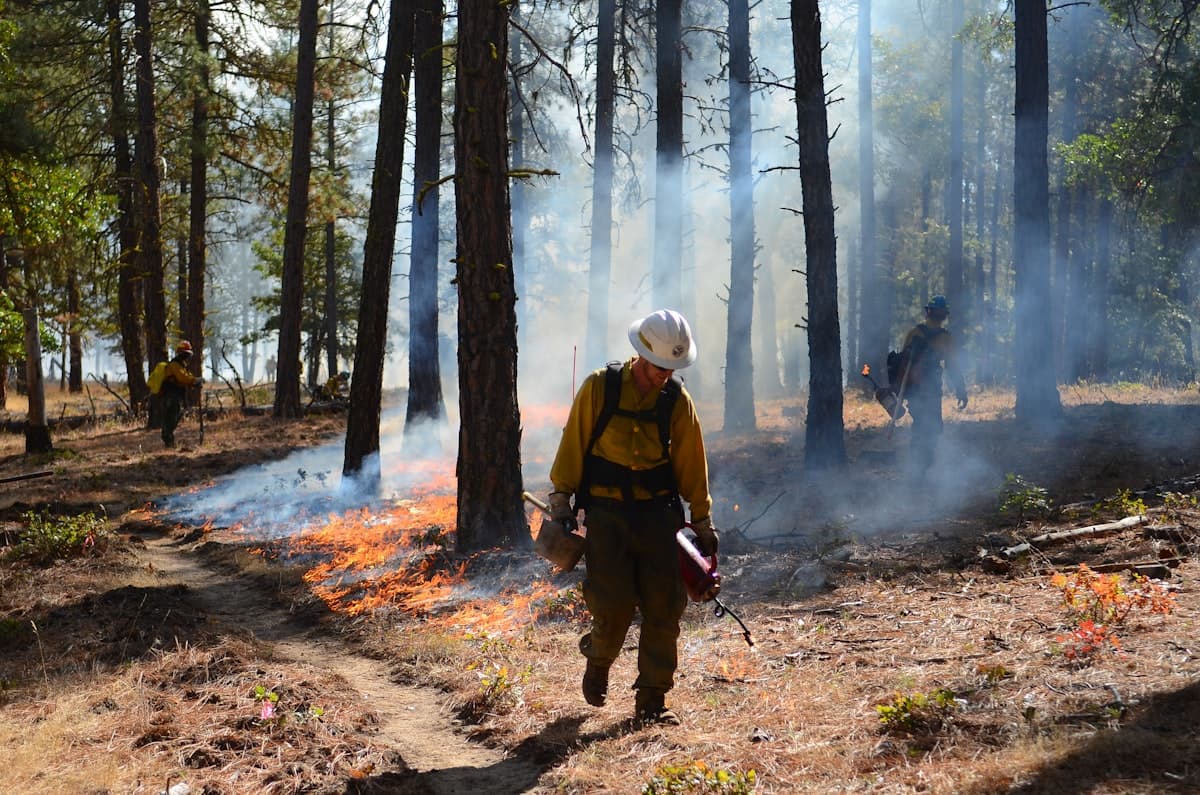
The wildland fire industry relies on a workforce split between government agency employees and private-sector contractors. Both sides do the same work, on the same fires, under the same incident command structure. But working for a private wildland fire contractor is meaningfully different from federal employment. For many firefighters, those differences add up to a better career.
Here is an honest breakdown of what private-sector wildland firefighting offers and why experienced operators increasingly choose this path.
Higher Base Pay and Stronger Overtime Potential
Private wildland fire contractors typically offer higher base hourly rates than the federal GS pay scale for equivalent positions. But the real difference shows up in overtime. During active fire assignments, firefighters routinely work 16-hour shifts for 14-day assignments. Private contractor employees earn overtime based on their employer's pay structure, which is often more favorable:
- Higher base rate means higher overtime rate
- Fewer bureaucratic caps on total hours and compensation
- Per diem and mobilization pay on many assignments
- Hazard pay differentials during active suppression work
Over a full fire season, the compensation difference can be substantial.
Smaller Crews, Stronger Culture
Federal fire programs are large organizations where the individual firefighter can feel like a number in a system. Private contractors operate differently. At Ponderosa Fire LLC, our crews are tight-knit teams where every person knows every other person by name, qualification, and capability:
- Direct access to leadership. You are not six management layers away from the people making decisions about your career. At Ponderosa Fire, our leadership team works directly alongside our crews.
- Faster decision-making. Equipment needs, training opportunities, and operational adjustments happen quickly because there is no bureaucratic approval chain.
- Genuine mentorship. Senior operators invest in developing junior crew members because the team's performance depends on everyone getting better.
- Accountability in both directions. In a small crew, you cannot hide. Good work gets recognized. Leadership is accessible and responsive.
In a small crew, your contributions matter more. Your voice carries further. And the bonds you build with your crew are stronger because you depend on each other every day on the fireline.
Veteran-Friendly Environment
A significant portion of private contractor workforces are military veterans. Veteran-owned companies like Ponderosa Fire actively seek out transitioning service members. Working at a veteran-friendly contractor means:
- Leadership culture rooted in military values — mission focus, accountability, physical standards, and team cohesion
- Understanding of veteran-specific challenges — transition stress, readjustment, and the desire for meaningful work that matches military intensity
- Peer support from fellow veterans who have made the same transition
- VOSB (Veteran-Owned Small Business) status that creates additional contract opportunities benefiting the entire team
Ponderosa Fire was founded by a military veteran who understood that the discipline and teamwork required in combat aviation translate directly to wildland fire operations. Read more about our founding story on the about page.
Equipment Quality and Operator Input
Private contractors have more flexibility to invest in the equipment their crews actually want and need. At Ponderosa Fire, our fleet reflects direct input from the operators who use it:
- Well-maintained Type 6 and Type 3 engines configured for the specific terrain and fire environments we operate in
- Quality hand tools and saws selected for durability and performance, not lowest bid
- PPE and gear that meets or exceeds NWCG standards without cutting corners
- Vehicle and equipment maintenance performed to a standard that keeps crews safe and operational
Deployment Flexibility
Private contractor employees often have more flexibility in how their fire season is structured:
- Seasonal employment that aligns with fire season rather than year-round positions that include months of non-fire work
- Ability to work with the contractor's dispatch priorities and take assignments across multiple geographic areas and agency jurisdictions
- BLM, USFS, IDL, ODF, and state agency assignments through the contractor's VIPR registrations and EERA agreements
- Clear start and end dates that allow you to plan your off-season, pursue other work, or simply rest and recover
Professional Development Without the Bureaucracy
In federal programs, access to training slots can be competitive and advancement timelines are tied to budget cycles. Private contractors who are serious about crew development — like Ponderosa Fire — create pathways that move at the pace of the individual:
- Sponsored NWCG training aligned with the positions the company needs and the firefighter's career goals
- Task book opportunities on real assignments with experienced evaluators
- Direct feedback and coaching from qualified engine bosses and crew leaders
- A clear connection between your development and the company's success — when you advance, the team gets stronger and can take on more complex services
What to Look for in a Private Contractor
Not all private wildland fire contractors are created equal. If you are considering this path, evaluate potential employers on these criteria:
- Active VIPR registrations and agency contracts — this means they have been vetted and are part of the federal dispatch system
- SAM.gov registration and proper insurance — baseline indicators of a legitimate operation
- NWCG-qualified leadership — the people running the company should hold real fireline qualifications
- Reputation among dispatchers and agency partners — a contractor's track record on past assignments is the most reliable indicator of what your experience will be
Ponderosa Fire LLC meets all of these standards and more. We are VIPR registered, SAM.gov active, NWCG qualified at every level we operate, and EERA eligible across multiple agency jurisdictions.
Make the Move
If you are an experienced wildland firefighter looking for better compensation, stronger team culture, and a more direct path to professional growth, private contracting deserves serious consideration. And if you are new to wildland fire and want to start your career in an environment that prioritizes mentorship and operational excellence, we want to talk to you.
Visit our careers page to see current openings, learn about our training pipeline, and understand what makes Ponderosa Fire different. When you are ready, apply directly — we review every application personally.
Check out more articles on our blog for additional insights into the wildland fire industry and what it takes to build a career on the fireline.